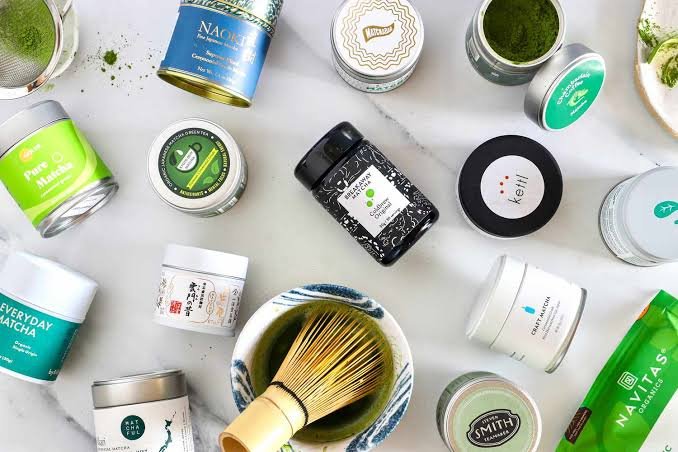
New to matcha? Here’s how to spot authentic matcha and the best matcha brands for beginners – without wasting money on the wrong grade.
Ceremonial vs. Culinary Matcha — What’s the Difference?
If you’ve ever bought matcha and found it bitter or chalky, you probably picked culinary grade by accident. Culinary matcha is made from older tea leaves, has a stronger, more astringent flavor, and is meant for baking, lattes, and smoothies where other ingredients balance it out. Ceremonial matcha, by contrast, comes from the youngest, shade-grown leaves and is stone-ground to a fine, vivid green powder meant to be whisked with just water. For beginners drinking matcha on its own, ceremonial grade is the better starting point — it’s smoother and less bitter, even though it costs more per tin.
What to Look for Before You Buy
Authentic matcha should list its origin (Uji, Nishio, or another Japanese growing region are good signs), have a bright, almost neon green color, and smell grassy or slightly sweet rather than musty. Avoid tins with dull, olive-toned powder — that usually means the matcha is old or lower grade. Price is a decent indicator too: genuine ceremonial matcha rarely sells for less than what you’d pay for a specialty coffee bag of similar weight. If a listing seems suspiciously cheap for “ceremonial grade,” it probably isn’t.
Our Top Picks for First-Time Buyers
- For an approachable everyday cup: Look for a beginner-friendly ceremonial tin around 30g, ideally with tasting notes on the label describing sweetness and umami balance.
- For lattes and smoothies: A culinary-grade option is more forgiving and holds up well against milk and sweeteners.
- For gifting or trying something premium: Single-origin ceremonial matcha from a well-reviewed Japanese producer makes a strong first impression and is easier to fall in love with than a generic blend.
Whichever you choose, buy a small tin first. Matcha loses freshness quickly once opened, so it’s better to test a brand in a smaller size before committing to a larger one.
How to Store Matcha So It Stays Fresh
Matcha is sensitive to light, heat, air, and moisture. Keep it in an airtight, opaque container in the refrigerator, and always reseal it tightly after use. Avoid leaving it on a sunny countertop — direct light degrades both the color and the flavor within weeks. Properly stored, an unopened tin can last several months; once opened, try to use it within four to six weeks for the best taste.
Getting started with matcha doesn’t have to mean guesswork. Once you understand the difference between ceremonial and culinary grades, know what authentic matcha looks and smells like, and store it properly, you’re set up to actually enjoy it rather than wonder why your first cup tasted off. If you want to go deeper on technique, check out our guide to whisking matcha the traditional way for the exact motion that gives you that smooth, foamy top layer.